
Category: News

AMD Zen 5 Status Report: EPYC “Turin” Is Sampling, Silicon Looking Great
Overall, it looks like AMD is on-track to solidify its position, and perhaps even increase its datacenter market share with its EPYC Turin processors…

AT&T announces $7 monthly add-on fee for “Turbo” 5G speeds
AT&T Turbo puts you in a faster lane but requires unlimited data and extra fee…

Microsoft begins to phase out ‘classic’ Teams
Microsoft is encouraging Teams customers to move to the new, faster version of the collaboration app; the older version will be switched off next year…

Yikes: Windows 10 Sees Uptick as Windows 11 Share Decreases
It’s a worrying trend for Microsoft, especially since support for Windows 10 ends in October 2025…

Hacker free-for-all fights for control of home and office routers everywhere
How and why nation-state hackers and cybercriminals coexist in the same router botnet…

T-Mobile Completes Mint Mobile Deal, Promises New Perks for Mint Users
The billion-dollar acquisition brings one of the cheapest ways to use T-Mobile’s network into the T-Mobile corporate family. (And earns Mint pitchman Ryan Reynolds a few bucks.)…

Hacker Sentenced to 13 Years in Prison for REvil Ransomware Attacks
One ransomware attacker using the REvil variant gets 13 years and seven months in prison for helping execute over 2,500 attacks netting $700 million worth of ill-gotten gains…

Nvidia’s flagship gaming GPU can crack complex passwords in under an hour
A GeForce RTX 4090 could be cracking your password at this moment…

Intel, Ampere show running LLMs on CPUs isn’t as crazy as it sounds
If you lower you expectations, of course. Think more Llama2-7B, less GPT-4…
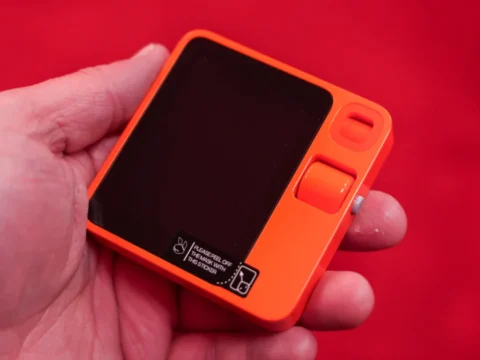
Turns out the Rabbit R1 was just an Android app all along
AI is in its Juicero era…

The Arc browser arrives on Windows to take on Chrome and Edge
Arc on Windows also represents an important milestone in getting Apple’s Swift apps running on Microsoft’s OS…

RIP ‘Admin’? UK Cracks Down on Weak, Default Passwords for IoT Devices
The Product Security and Telecommunications Act (PSTIA) requires devices makers to either remove simple default passwords or prompt the user to create a password upon setup…